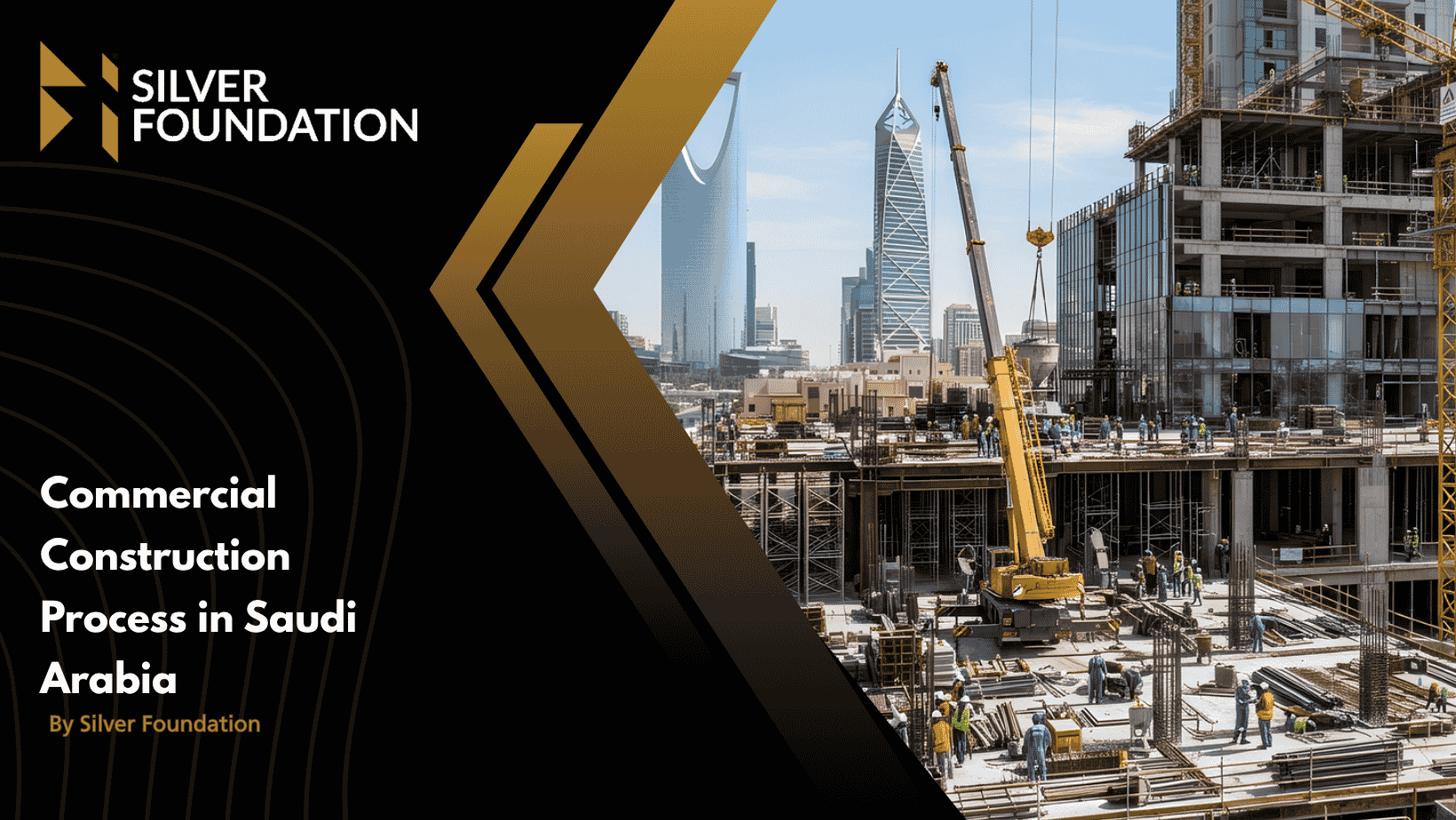
Commercial Construction in Saudi Arabia is growing rapidly as Vision 2030 encourages new business, retail, healthcare, and industrial developments. Understanding the construction process helps investors and business owners avoid delays, unexpected costs, and planning mistakes. From planning to project handover, every stage requires careful management. Silver Foundation supports projects through each phase while maintaining quality, regulatory compliance, and on-time project delivery. This guide explains in detail the Commercial Construction process in Saudi Arabia.
Project Planning and Feasibility
All commercial construction jobs in Saudi Arabia start with the planning process and feasibility studies. Project objectives, budget, site, schedule, and business requirements are thoroughly examined. Site evaluation, financial analysis, risk assessment, etc., are used to decide whether or not the proposed project is feasible, profitable, and well-suited for successful development in the future.
Site Survey and Design Development
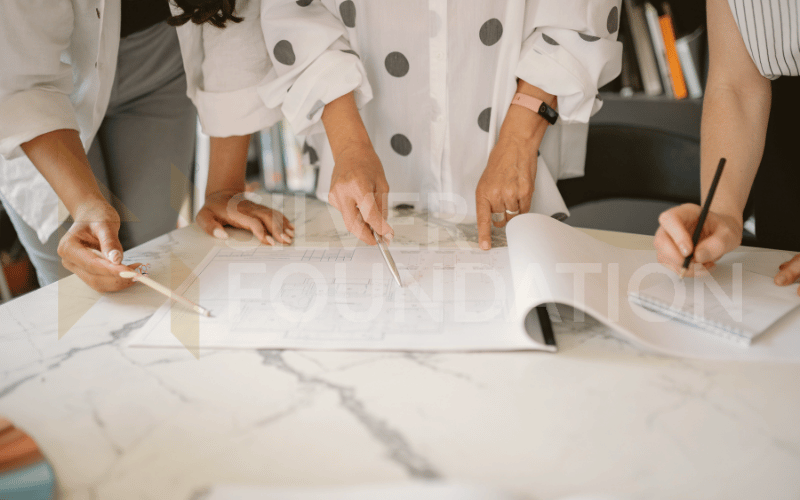
Land is surveyed by professionals who provide important information regarding soil, boundaries, and site conditions. The architects and engineers then work on detailed plans of the building, its layout, structure drawings, and MEP (Mechanical, Electrical, and Plumbing) plans. These designs ensure that the project is properly designed to meet the functional requirements, safety standards, and local regulations.
Obtaining Approvals and Permits
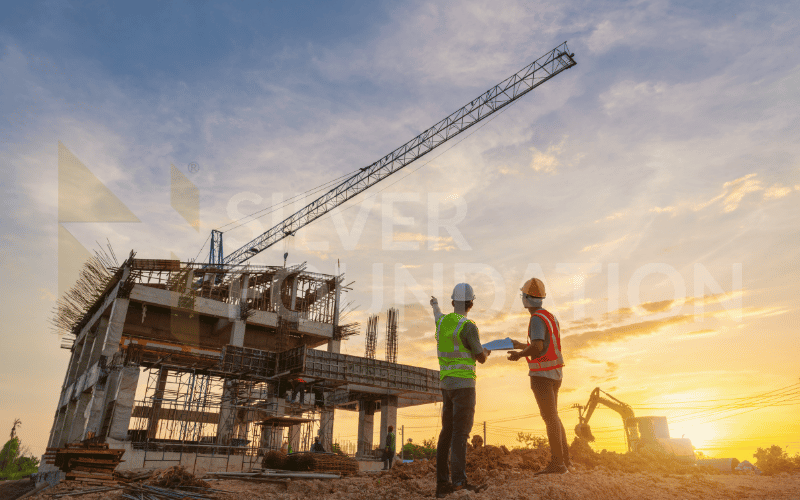
Before developers start construction, they need to get all the necessary approvals from the relevant Saudi authorities. Permits and approvals are considered very carefully for buildings, environmental, and utility. This process guarantees that the project is built in accordance with the national regulations in place, and prevents legal problems and unnecessary delays in the construction process.
Site Preparation and Groundwork
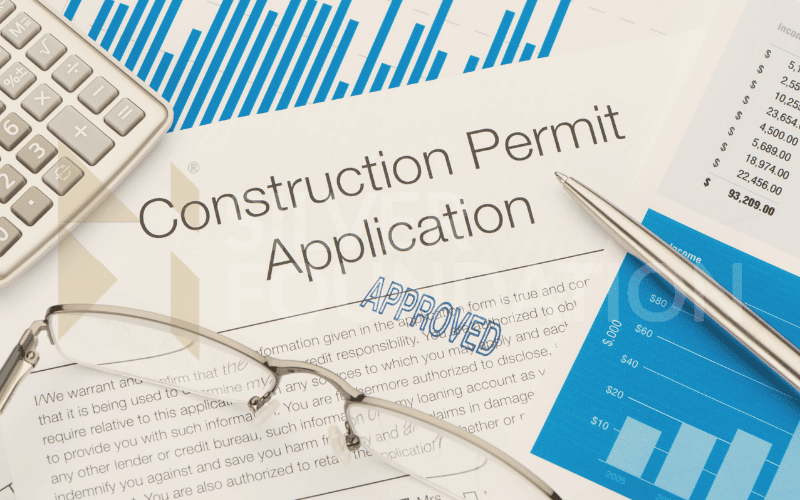
The construction site is now clear, leveled, and ready for construction work. Temporary facilities, fencing, drainage, and utilities are set up. Excavation, foundation work, and soil stabilization provide a sturdy and secure foundation for the entire commercial building and ensure that it remains so throughout its entire life.
Structural Construction
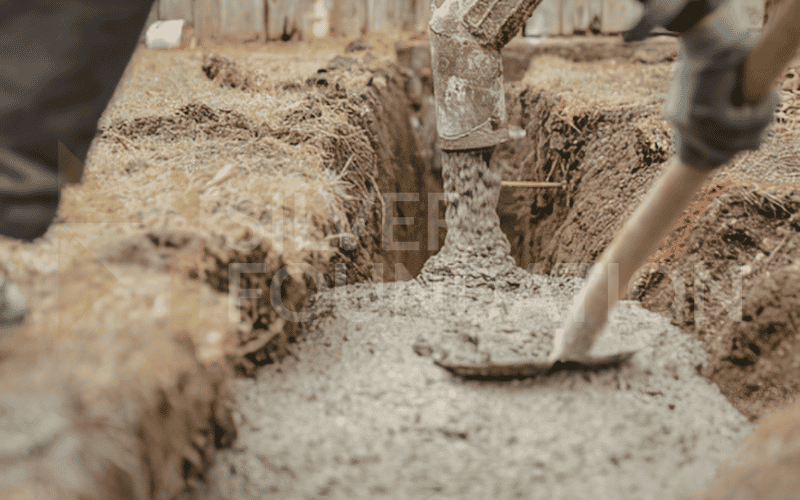
Once the foundation is finished, the construction of the main structure is carried out, which can be made of concrete, steel, or any other approved materials. The columns, beams, floors, walls, and roofing are built based on engineering drawings. Structural quality, durability, and adherence to Saudi construction standards are maintained throughout the entire process through regular inspections.
MEP Installation
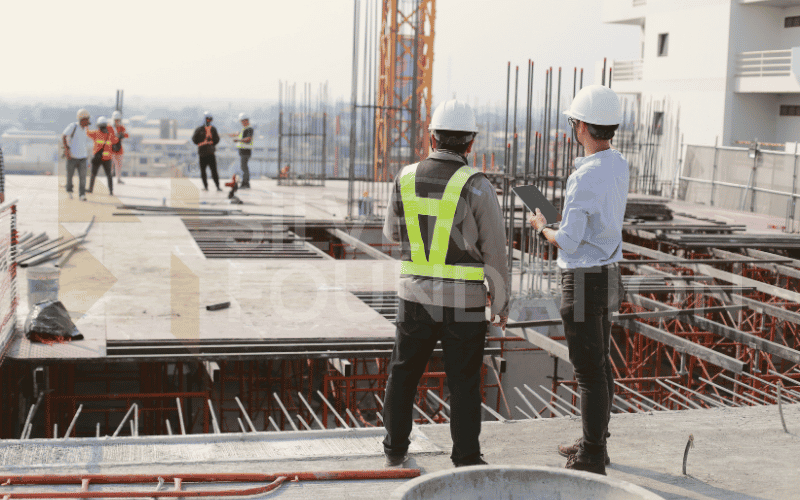
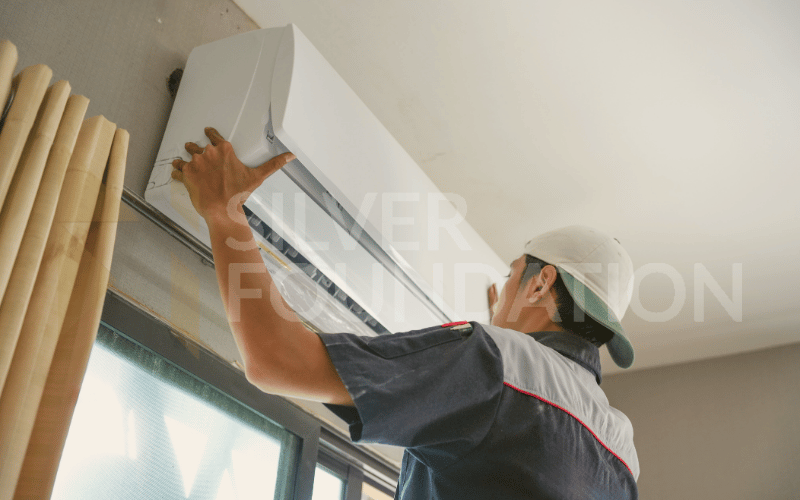
Mechanical, electrical, and plumbing (MEP) systems are fitted in when the building structure has been completed. This includes electric wiring, water supply, drainage, ventilation, air-conditioning, and fire protection. When installed correctly, the building will function safely, efficiently, and comfortably, and meet all of the technical standards successfully.
Interior and Exterior Finishing
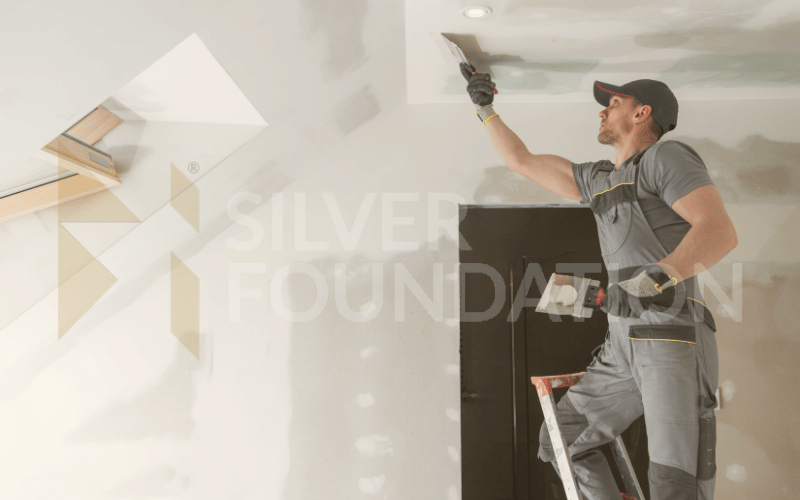
This stage involves finishing work for both exterior and interior areas. Install flooring, paint, ceiling, windows, doors, lighting, landscape, and exterior cladding. All of this final work enhances the aesthetic and operational appeal, durability, and readiness for commercial property use and routine operations.
Final Inspection and Project Handover
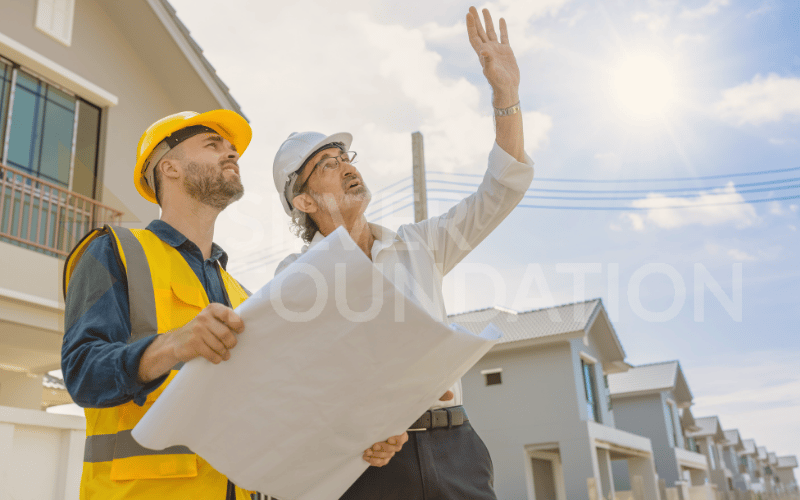
Inspectors closely review the building before it is finished to ensure it meets quality, safety, and regulatory standards. Issues that are left are fixed right away. Once approved, the commercial building contractor presents the finished commercial building to the owner, which would then be ready to operate and use.
Delays in Approvals and Permits
The time it takes to receive approval for construction from various government agencies can sometimes be delayed. Project progress may be delayed due to missing documentation, design changes, or changing regulations. By properly preparing, having all necessary documentation, and establishing good communication with authorities, delays in approvals and a smooth construction process are minimized.
Budget Changes and Rising Material Costs
Material costs, labor costs, or sudden changes in a project’s scope can cause budgets to rise. These extra expenses are not financially advantageous if not properly planned. Expenses are controlled successfully through the entire construction process with regular monitoring of the budget, adequate cost estimation, and efficient procurement.
Labor and Resource Management
It is important to coordinate skilled personnel, equipment, and construction materials throughout the project. Delays in labor, delivery, or equipment failure can compromise the pace. Good scheduling, reliable project management, and supplier support help to keep work moving and minimize unnecessary construction delays and disruptions to productive work.
Maintaining Quality and Safety Standards
Strict quality and safety standards must be consistently met in commercial construction projects. Costly issues may arise due to poor workmanship, unsafe practices, or lack of inspection. The effective implementation of the project and the long-term performance of the building are ensured by regular quality control, employee training, safety protocols, and adherence to Saudi regulations.
What Permits are Required for Construction Work in Saudi Arabia?
There are several permits that must be obtained prior to starting commercial construction projects in Saudi Arabia. The most essential part of the requirement is the building permit from the relevant municipality.
Other permits that may be required, depending on the project, include zoning, environmental, civil defense, utility, and excavation permits. Typically, structural plans, electrical plans, plumbing plans, and mechanical plans are checked prior to approval.
Contractors should make sure that all documents comply with the Saudi building code and municipal requirements. Having the right permits will safeguard the project against legal complications, construction delays, fines, and ensure a safe, compliant, and permitted building development process.
Approximate Time for Completion of Construction Project
The duration for a commercial construction project in Saudi Arabia varies according to the size of the project, design complexity, approval procedure, weather conditions, and other factors. The time frame for small commercial buildings can be 6 – 12 months, and for larger developments, it can be more than 18 months.
Reduce unnecessary delays by proper planning, experienced contractors, timely material delivery, and efficient project management. Good coordination between architects, engineers, suppliers, and government authorities is another factor that enhances project progress and regular inspections. A realistic construction timeline ensures the safe, efficient, budget-conscious, and quality construction of the building.
Frequently Asked Questions
How long does a commercial construction project take in Saudi Arabia?
The timeline depends on the project’s size, complexity, approvals, and site conditions. Smaller projects may take several months, while large commercial developments can take a year or more.
Why are permits important before starting commercial construction?
Permits ensure the project complies with local building regulations, safety standards, zoning requirements, and environmental guidelines, helping avoid legal issues and costly delays.
What role do MEP systems play in commercial buildings?
MEP systems provide essential services such as heating, ventilation, air conditioning, electrical power, plumbing, fire protection, and energy-efficient building operations.