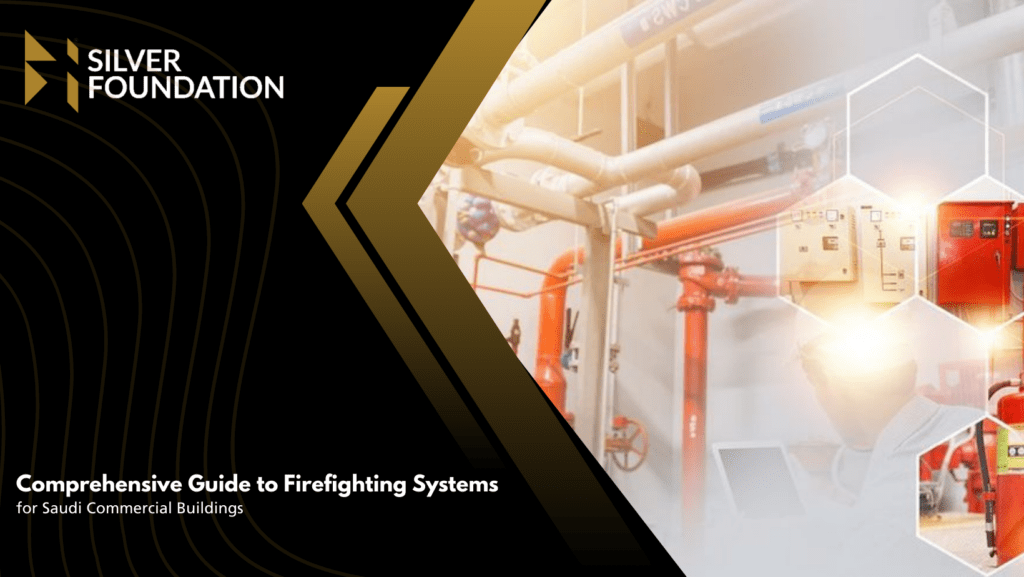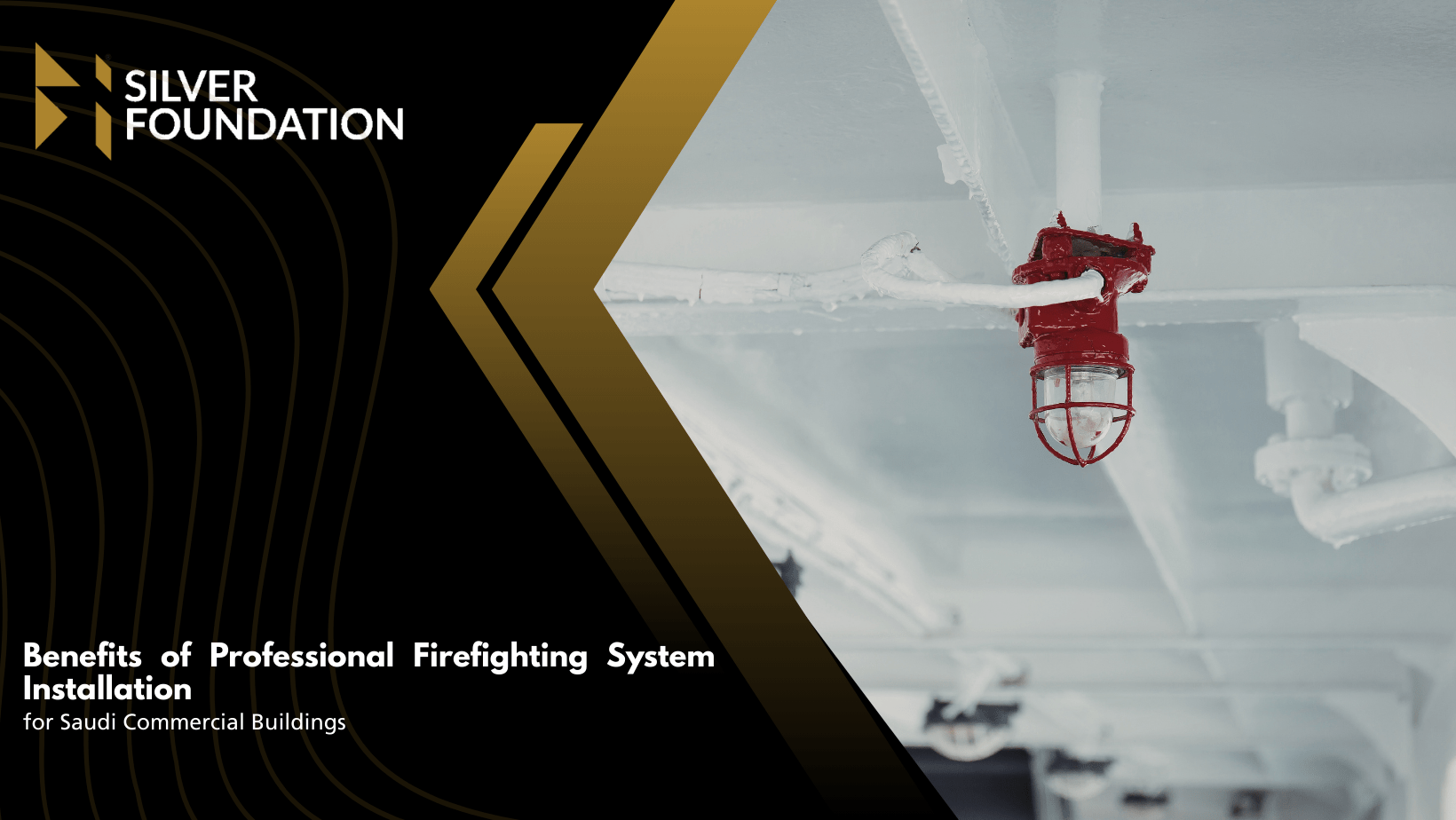
Professional firefighting system installation in Saudi Arabia’s construction sector is expanding at an extraordinary pace, driven by Vision 2030 developments, large-scale industrial zones, commercial hubs, and modern residential communities. With this rapid growth comes an increased responsibility to ensure that buildings are protected against potential fire risks. Effective fire protection is no longer an optional feature but a fundamental requirement for safe infrastructure. Companies such as Silver Foundation support this goal by delivering reliable fire safety solutions for modern developments. This guide explores the benefits of professional firefighting systems installation in Saudi projects.
Modern construction projects need firefighting system installation that are effective in protecting lives, assets, and business continuity. Such systems are well planned to monitor, regulate and restrain fire hazards before they become widespread. Examples of common installations are fire alarms, sprinkler networks, hydrant systems, and smoke detectors, and all these combine to make up an integrated safety system.
In business and industrial units, planning has ensured a quick response in case of an emergency and support in compliance with regulations. During the design of these systems, engineers and safety experts factor in the building layout, types of occupancies and the possible risks. The carefully laid firefighting system reduces the extent of damage and gives the occupants the confidence that their safety is squarely in place.
Quick Guide for Firefighting System Installation
Assessment of Complete Site
Assess the building plan, risk, and the type of occupancy. Earmark protection areas, water supply points, and the most suitable type of system. Before planning installation, make sure that local fire codes and standards are met to ensure that it is effective and safe.
Planning Proper System Design
Prepare a comprehensive plan of sprinklers, extinguishers, hoses, and detectors. Compute hydraulic needs, pipe size and coverage areas. Incorporate zoning, alarm combination and accessibility. Get fire authorities’ approval to make sure the design complies with all the main regulatory requirements.
Procurement of Equipment
Approve firefighting equipment to be purchased, such as sprinklers, pumps, pipes, valves, and alarms. Confirm certifications and compliance with the system design. Make sure that the required fittings, tools and protection gear are ready to install them without delays and make sure that the setup is safe.
Installation of Piping and Fixtures
Install hydrants, sprinklers, pipes, and valves as per the acceptable design. Make sure that there is correct alignment, fittings, and proper sealing. Do not have bends or obstructions that can lessen the flow of water. Ensure future access to the inspection and maintenance.
System Testing/Commissioning
Carry out hydrostatic tests, pump tests, and alarm testing. Test the leaks, pressure drop, and sensor sensitivity. Record findings and rectify any gaps. Seek the ultimate approval of the inspectors before the handover of the system to make sure the system is fully operational.
Significant Benefits of Professional Firefighting System Installation
Improved Life Safety
The presence of a professionally firefighting system installation ensures the safety of occupants in the building to a large extent. Early warning and automatic suppression systems help in controlling the fire at its early stages, which is a good aid in evacuation. Reliable alarms and warning signals make sure that people are notified as soon as possible, and this will minimize panic and injuries in case of an emergency.
Movement and Change of Property and Assets
In a few minutes, fire can lead to serious structural and financial destruction. This is mitigated by professionally developed firefighting systems, which can detect flames promptly and put them out. The detection devices, hydrants, and sprinklers cooperate to prevent the situation from escalating and assist businesses in protecting equipment, infrastructure, and valuable resources.
Adherence to Safety Regulations
New constructions must comply strictly with the safety norms issued by the authorities. Professional installation makes the firefighting systems comply with the regulatory codes and the inspection requirements. This adherence is the only way of escaping legal difficulties. It is also a way of responsible management, and thus, the stakeholders will be assured that the facility values safety and preparedness.
Faster Emergency Response
In the case of a fire incident, it is a question of seconds. Professional firefighting system installation will give instant alerts and automatically turn off the suppressing equipment. This immediate reaction reduces the spreading of flames and smoke and enables the emergency crews to respond more effectively, and minimizes the general impact of the event.
Long-term Reliability and Maintenance
Specialised installation also guarantees that all the parts are fitted in a proper manner and are properly tested. This is attention to detail that enhances the durability and performance of systems in the long run. They are more easily maintained and reliable when needed most, hence the system is reliable, and they are protected over the years.
Rules to Follow During Firefighting System Installation
The firefighting system installation needs to be carefully planned, technologically correct, and compliant with safety measures which sets by Saudi construction sector. The first step is to perform a comprehensive site analysis to define possible fire hazards and appropriate system elements. Installations should be in accordance with accepted codes and local laws to make them reliable and legally accepted. Piping, alarms, detectors, and sprinkler systems are supposed to be handled by qualified professionals to ensure that the system works properly.
Each piece of equipment should be put to the test upon installation to ensure it will work efficiently in case of an emergency. Proper documentation and labelling must also be followed in case of future inspection and repair. These are essential guidelines that would make the firefighting system effective and reliable when safety is a paramount concern.
Frequency of Performing Regular Maintenance of Firefighting System
Maintenance rate of a firefighting system will vary with the type of the system and the required safety standards. In most instances, fire extinguishers must be examined monthly and maintained by a certified technician on a yearly basis. Sprinkler systems should be inspected, maintained, and tested once every year.
Fire pumps are to be serviced once a year and checked every week or month, depending on the usage. The alarm and detection systems should be subjected to regular functional tests, at least once a year, with some of the components being tested quarterly. The maintenance will guarantee reliability, adherence to local fire codes, and the safeguarding of occupants, avoiding the collapse of the system in the case of an emergency.
Conclusion
In a rapidly developing construction landscape, prioritizing reliable fire protection is essential for long-term safety and operational stability. Professionally installed firefighting systems help safeguard people, infrastructure, and investments while ensuring regulatory compliance. Trusted providers such as Silver Foundation support Saudi projects with dependable solutions that strengthen safety standards and reduce potential fire risks.
Frequently Asked Questions
Why are firefighting system installation mandatory in Saudi projects?
To meet Civil Defense regulations, ensure occupant safety, reduce fire risks, and protect buildings from major damage.
What types of firefighting systems are commonly used?
Fire alarms, sprinklers, hydrants, fire extinguishers, foam systems, gas suppression systems, and smoke detectors.
How does professional firefighting system installation improve performance?
It ensures correct design, placement, integration, testing, and compliance for reliable emergency response.
Do firefighting systems require regular maintenance?
Yes, regular inspection and testing are needed to ensure proper operation and regulatory compliance.