Firefighting systems form the backbone of a building’s safety strategy, safeguarding lives, assets, and business continuity during emergencies. Yet, their reliability depends on disciplined upkeep and timely inspections. At Silver Foundation, the importance of proactive maintenance is well understood. This guide highlights essential practices that keep systems fully operational, reduce risks, and ensure long-term performance in demanding real-world conditions.
Common Issues to Identify in a Firefighting System
Damaged or Blocked Pipelines
Broken or damaged pipes may reduce the flow of water, which will reduce the system’s operations during emergency hours. This condition can take place due to corrosion or debris buildup. It is important to ensure that the firefighting systems are in good operation and that repairs are performed regularly for stable functioning.
Faulty Valves and Controls
Malfunctioning in control systems and valves causes massive problems in overall functioning and reduces reaction speed. This problem can take place due to wear, improper use or poor maintenance. The proper operation of valves and their correct reaction are very important to both system preparation and reliable overall operation.
Pump Failure or Inefficiency
A firefighting system relies on fire pumps, and their failure can make the whole system useless. Performance can be decreased by mechanical problems, power outages or lack of maintenance. Periodic testing and service also make sure that pumps are good enough to deliver the necessary pressure and flow in the case of an emergency.
Leakage in Pipes or Joints
Leakages in pipes or joints reduce the water pressure and wastage of resources in the process. Such problems are common due to the aging of materials, inappropriate installation, or the nature of the material. Early detection and repair of leaks can sustain efficiency and provide enough water supply during fire accidents.
Inadequate System Testing
Absence of constant testing may enable latent issues to remain unnoticed until they result in a genuine crisis. Components that have not been checked regularly or lack efficiency may exist in systems. Regular testing of the system is required to ensure that it is functioning properly and confidence in the system is built.
Determine System Readiness
Routine inspection ensures that the firefighting system is always in better operating condition in case of an emergency. Machines such as pumps, alarms and sprinklers start facing faults if not maintained at the right time. Routine monitoring is also used to determine issues that may arise in the early stages.
Detects Faults Early
Maintenance helps in the identification of minor errors before they escalate into major problems. Blockages or leaks can affect the performance of the system, as well as damage components. These issues are resolved quickly by carrying out regular checks. This will eliminate unexpected failures in case of an emergency and make the system reliable and effective at any given time.
Improves Safety Standards
Routine maintenance ensures that the firefighting system is not out of harmony with the safety regulations and standards. It makes sure that all the components comply with the law. This reduces major risks and eliminates severe fines. The system should be properly maintained to provide a better working or living environment for people in the building.
Extends Equipment Life
Firefighting equipment comes out with a longer life with proper maintenance. Damage is prevented by cleaning, repairing and replacing the parts that are worn out. This saves the expense of replacement quite often and saves money in the long run. Properly maintained systems last longer and work better when the need arises in emergencies.
Checks Water Pressure and Water flow
Regular inspections and monitoring help to check the flow and pressure of water. Pipes or broken pumps may make performance ineffective. Periodic tests ensure that all is running well. This is of significance since an adequate supply of water is needed to check and put out the fire in a timely and effective manner.
Maintenance Checklist: Daily, Weekly, Monthly & Quarterly
Daily Inspections
For the daily inspections, priority should be on the apparent status and working preparedness of the firefighting system. Monitor the pressure, verifying that the confirmed valves are placed, and no visible leaks or damage are present. It is also important to ensure the supply of pumps and power. The regular monitoring of the system daily helps in identifying the problems in real time and maintains the system during an emergency.
Weekly Inspections
Important components like pumps, alarms and control panels are also thoroughly tested for better functionality on a weekly basis. Turn on pumps to make sure they work in a short time and provide instant alarm responses. Don’t forget to take a closer look at pipelines and valves.
Monthly Inspections
A comprehensive review of the entire firefighting system is done during the monthly inspections. Check storage tanks and automatic controls, and examine system records against irregularities. Also, check the system against corrosion, wear, or other small imperfections that will eventually weaken. The process helps in early identification of problems, long-term performance and compliance.
Quarterly and Annual Inspections
The system needs to have a detailed analysis and professional maintenance done quarterly and annually. Perform full load pump test, instrument calibration and checking of mechanical and electrical parts. These tests guarantee compliance, maximum performance and long-term reliability and prove the efficiency of the system in case of emergency.
Seasonal Maintenance Considerations of a Firefighting System
Winter Maintenance
During winter, the system faces an issue of low temperatures that eventually freeze water in pipes, leading to blockages or damage. Exposed pipelines should be insulated and properly drained to prevent freezing. Checking pumps on a regular basis and keeping the pressure at the right level guarantees the reliable functioning in cold weather and protects the system against season-related risks.
Summer Maintenance
Hot weather may put a strain on the system and cause overheating. Make sure the pumps are well ventilated and oiled. Check the amount of water in storage tanks and check the pressure frequently. During summer, preventive care keeps the system maintained and makes it ready to deal with the threat of fire hazards.
Monsoon/Humid Conditions
Monsoon and humid weather are likely to lead to corrosion, electrical and moisture destruction of firefighting equipment. Periodically check electrical panels, control systems, and uncovered metal surfaces. The use of a protective layer and good drainage minimizes the effects of moisture, thereby preserving the system’s reliability in harsh environmental conditions.
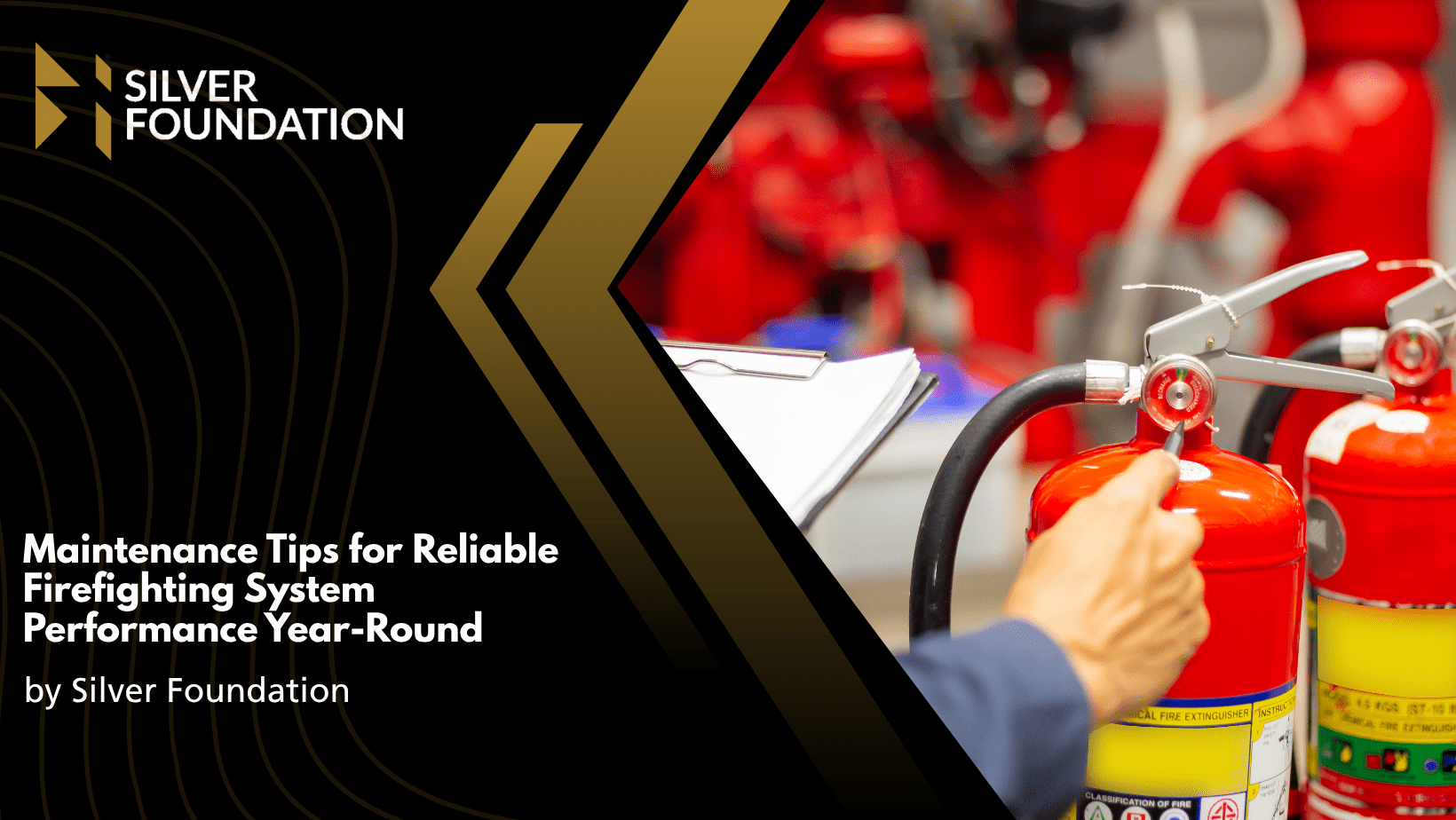
Maintenance Tips for Reliable Firefighting System Year-Round
Conducting Inspections and Tests
Carry out monthly and annual checkups to detect possible failures. Test pumps, valves, sprinklers and alarms to make sure they are functioning correctly. Record specifics of every check-up. Early identification of problems can avoid expensive downtime and ensure that it is ready in case of an emergency, which contributes to improved safety.
Pump and Motor Maintenance
Grease pumps and motors based on the requirements of the manufacturer. Check clearance, vibration, and the level of noise. Efficiency is ensured by replacing worn parts timely. Make sure that there is reliability of power supply and backup systems. Proper maintenance helps to ensure the increase in the lifespan of the system and avoid system breakdowns.
Sprinkler and Nozzle Care
Squeegee sprinklers and nozzles to prevent obstruction by dust, debris, or corrosion. Check proper patterns of spray and spray pressure. Immediately replace damaged or obsolete parts. Frequent inspection will maintain the regular distribution of water, which is essential in suppressing any fire at all the areas which are under protection.
Alarm and Detection Systems
Check the test smoke detectors, the heat detectors, and the flame detectors every single month to make sure that they are working. Change batteries and defective parts in time. Check control panels, indicators and communication links are functional. Quality detection systems reduce the response time in cases of emergencies and ensure a higher level of safety for the personnel and property.
Hose and Hydrant Readiness
Examine cracks and leaks or wear and tear on hoses and replace damaged hoses immediately. Water pressure and hydrants are available. Periodically carry out flow tests. This is because proper maintenance means the firefighting crews can respond promptly and efficiently in any emergency case, and hence reduces fire damage.
Water Supply Management
Keep tanks, reservoirs and connections clean, devoid of contamination and at the right level. Review test backup water systems to ensure they are available. Frequent monitoring of water quality will avoid clogging and maintain constant pressure. The supply of water is vital in the performance of the firefighting systems without interruption.
Documentation and Compliance
Keep current records of inspection, repair and maintenance. Make sure that the local fire codes and safety regulations are adhered to. Effective documentation will provide ease in auditing, enhance accountability, and ongoing improvement. Standard compliance makes the firefighting system operational around the year.
Secure Your Systems, Safeguard Your Future with us
Effective firefighting system maintenance is a shared responsibility that protects people, property, and operations. By focusing on regular inspections and timely upkeep, organizations ensure long-term reliability. With guidance from Silver Foundation, businesses can adopt dependable practices that reduce risks and support a safer, more resilient environment.
Frequently Asked Questions
What is the most critical component to maintain?
Fire pumps and sprinkler systems are among the most critical components as they directly control fire suppression.
Can maintenance be done without professionals?
Basic checks can be done in-house, but certified professionals should handle detailed inspections and servicing.
What happens if maintenance is ignored?
Neglecting maintenance can lead to system failure during emergencies, increased damage, and legal penalties.
Are maintenance records necessary?
Yes, proper documentation is essential for compliance, audits, and ensuring consistent system performance.