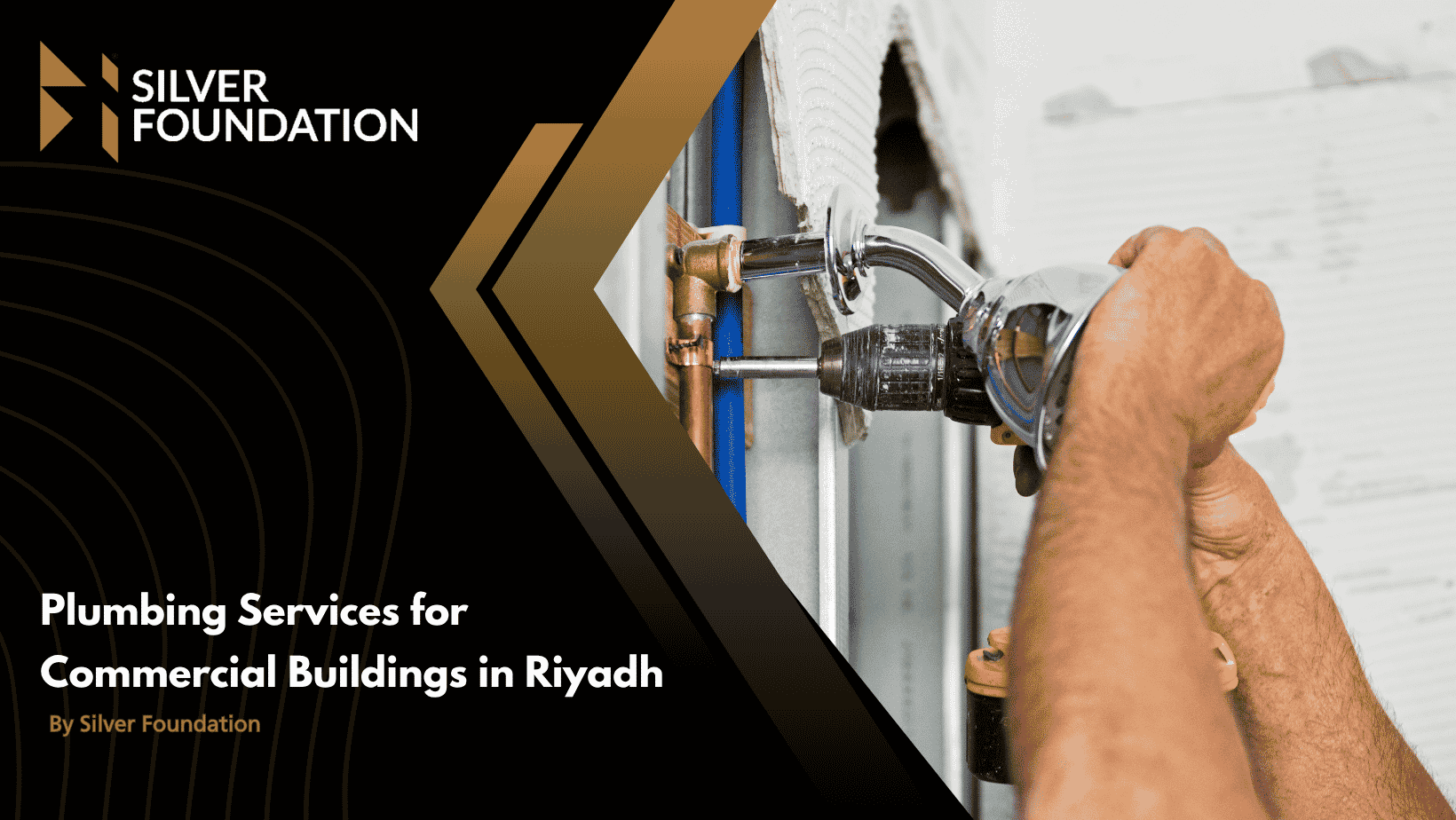
A building’s plumbing system is its unseen lifeline; in Riyadh’s booming commercial sector, robust infrastructure is paramount to protecting property value, ensuring business continuity, and safeguarding public health. Navigating extreme desert heat, immense high-capacity usage, and strict Saudi Building Code (SBC) compliance requires specialized expertise. Silver Foundation stands as Riyadh’s premier MEP contractor, delivering high-performance, sustainable plumbing solutions tailored for corporate, hospitality, enterprise, and retail facilities.
Plumbing is necessary to keep buildings in Riyadh safe, clean, and comfortable. A good plumbing system ensures that there is a constant supply of water, ensures sanitation, and helps in the elimination of wastewater. Leaks, blocked drains, damaged pipes, and water pressure problems can be tracked down and fixed by regular plumbing maintenance before they become costly issues.
The hot weather of Riyadh may also impose an additional burden on plumbing systems, and professional inspection and maintenance are significant. Using proper plumbing will assist in minimizing water wastage, property damage, and maintaining healthy working environments. In residential, commercial, and industrial buildings, timely plumbing service enhances the performance of the system, increases the service life of plumbing equipment, and minimizes unforeseen repair expenses.
Common Plumbing Problems in a Commercial Facility
Leaky Pipes and Faucets
Common commercial plumbing issues are leaking pipes and faucets. Leaks that are small can consume a lot of water and result in higher operational expenses. Leaks, when ignored, can lead to dampness, moulds, damage to walls, and structural issues. Periodic checks will aid in detecting and fixing leaks in time.
Blocked Drains
Clogged drains may slow down or even halt the movement of wastewater in commercial premises. The drainage pipes may accumulate grease, food waste, dirt, and other substances. Cleaning and waste management also help eliminate blockages, bad smells, and wastewater overflow.
Low Water Pressure
Bathrooms, kitchens, cleaning areas, and other critical areas of the facility can be affected by low water pressure. It can be caused by blocked pipes, leakages, broken valves, or supply problems. The cause should be determined by professional plumbers, and the appropriate water pressure can be restored to ensure that the water is used daily.
Water Heater Problems
Commercial facilities frequently rely on water heaters for cleaning, hygiene, and other activities. Typical issues are ineffective heating, strange sounds, leaks, and broken parts. Periodic maintenance can ensure effective heating, save energy, and avoid unexpected breakdowns of equipment.
Preventive Plumbing Maintenance for Enterprise Facilities
Regular Pipe Inspections
Frequent inspection of pipes helps in the detection of leaks, corrosion, cracks, and poor connections before they can cause severe damage. The visible and accessible pipework can be inspected by professional plumbers, and repairs advised when necessary. The prompt identification of the problem will save on water wastage, repairs, and unwarranted shocks to business processes.
Drain Cleaning
Regular drain cleaning will help to avoid accumulation of grease, dirt, hair, and other substances, which may limit the water flow. Maintaining clean drainage systems minimizes chances of obstructions, unpleasant smells, and overflow of wastewater. Professional cleaning is also used to ensure smooth and reliable drainage in the facility.
Water Pressure Checks
Monitoring water pressure frequently assists in making sure that plumbing fixtures and equipment are supplied with the right amount of water. High water pressure may burst pipes and fixtures, whereas low pressure can be a sign of an underlying issue. Regular testing is used to identify problems early and aid in efficient performance of plumbing.
Water Heater Maintenance
Water heaters are also supposed to be maintained by checking and repairing them to ensure that there is reliable hot water. Technicians will be able to examine connections, valves, heating elements, and leakage/corrosion indicators. Efficiency is enhanced by proper maintenance, which prolongs equipment life, and minimizes chances of unforeseen failure in the course of business activities.
Leak Detection
Leakages can be detected regularly to avoid hidden water wastage and damage to property. Leaks that are not noticed behind the wall, ceiling, or underground area can get serious. Early warning signs can be detected by professional plumbing inspections and the repairs made before moisture leads to expensive structural or functional issues.
Fixture Inspection
There are commercial plumbing fixtures that should be inspected regularly like toilets, faucets, sinks, and valves. Broken or inefficient fixtures may waste water and cause inconvenience to the staff and guests. The replacement or repair as soon as it is needed maintains the facilities in a hygienic, efficient and comfortable state to be used on a daily basis.
Maintenance Records
Maintaining plumbing records should be kept by the facility managers to keep track of the inspections, repairs, replacement, as well as the recurring issues. Such records facilitate easier planning of future maintenance and pattern identification. A proper maintenance plan also aids in making sure that crucial plumbing systems are maintained before failures can impact the business operations.
Frequency to Inspect Plumbing Maintenance for Buildings
How often plumbing is inspected will depend on the type of building, size, age and amount of water used. Professional plumbing inspections of commercial and enterprise buildings should be at least yearly or biannual. Hotels, hospitals, restaurants and large office buildings can require more regular checks because of the high usage.
The old pipes, valves and fittings also demand further checks since the pipes, valves and fittings are most prone to developing issues. Frequent check-ups should include leaks, water pressure, drainage, water heaters, fixtures, and visible pipework. Preventive inspection scheduling assists in early detection of minor problems, cuts down on repair costs, avoids water leaks, and maintains plumbing systems to operate safely and efficiently.
Conclusion
Ensure operational continuity, code compliance, and resource efficiency for your commercial facility with Silver Foundation’s premier MEP and plumbing solutions. From modern fit-outs to comprehensive preventive maintenance, our expert engineering team delivers reliable, high-performance systems tailored to your project’s scale. Contact Silver Foundation today to schedule an expert consultation!
Frequently Asked Questions
How can commercial buildings reduce water consumption?
By installing touchless low-flow fixtures, smart leak detection systems, greywater recycling, and performing regular preventive maintenance inspections.
Why are grease traps necessary for commercial kitchens?
Grease traps prevent fats, oils, and grease from entering municipal sewers, protecting pipes from severe clogs and regulatory penalties.
How does hard water affect commercial plumbing systems?
High mineral content causes scale buildup, reducing pipe flow, damaging water heaters, and shortening the lifespan of plumbing equipment.
What is included in a commercial plumbing preventive maintenance plan?
Routine pipe inspections, backflow prevention testing, pump checks, drain cleaning, pressure balancing, and water quality testing.