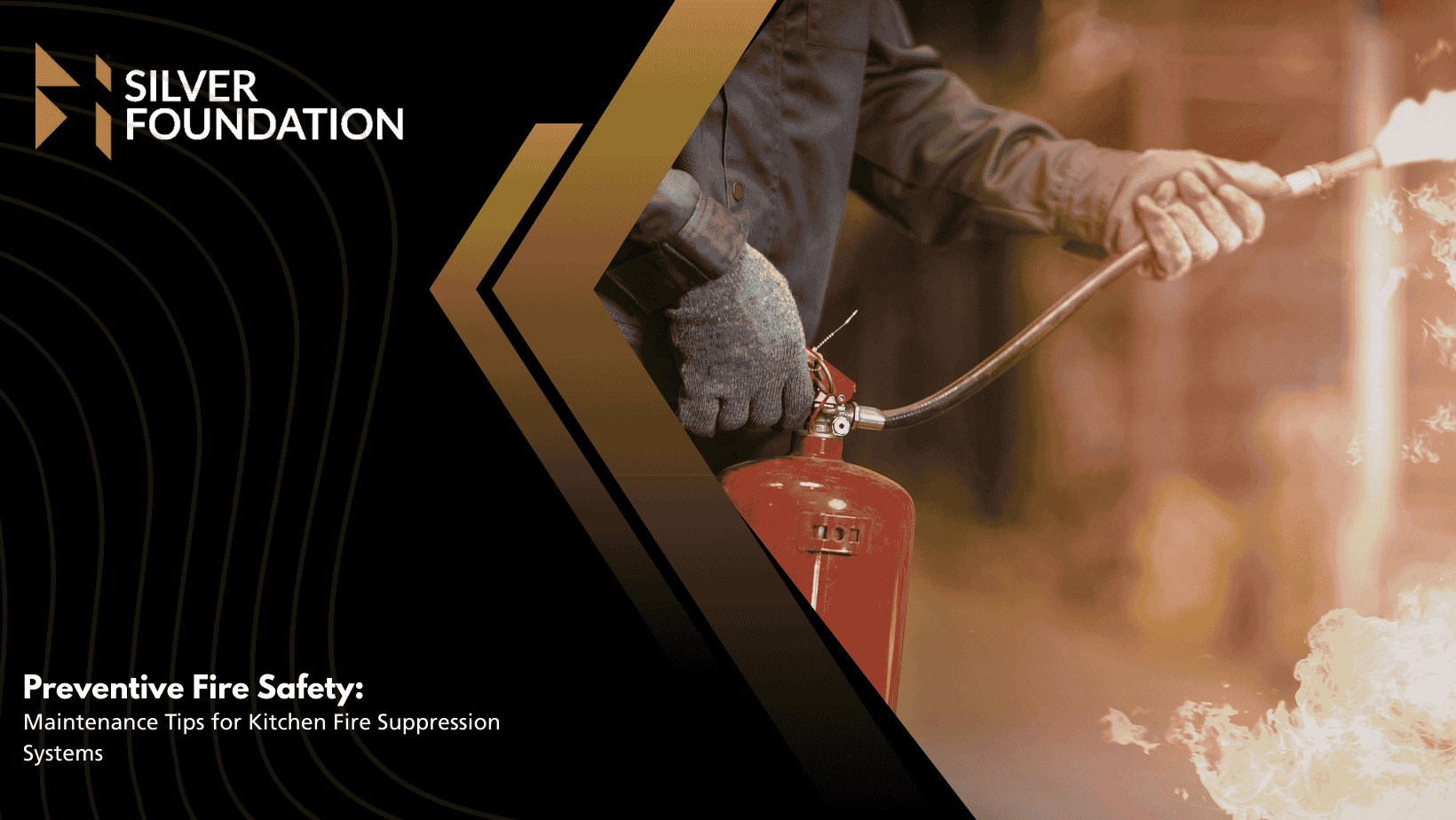
Fire safety in commercial kitchens is essential. In a commercial kitchen in KSA, the constant risk of fire is created by high heat sources, open flames, and heavy grease. To protect your customers, employees, and property from catastrophic losses, your kitchen must have an appropriate fire suppression system that is properly maintained. Without this maintenance, the fire suppression system may fail to operate correctly when needed during a fire emergency. Preventive maintenance ensures that your fire suppression system can be activated immediately when you need it most. Regular inspection, cleaning, and testing will help reduce the potential for the fire suppression system to fail.
Commercial kitchens in Saudi Arabia are subject to very strict fire safety regulations. Restaurants, hotels, food factories, and catering businesses are all required to have certified fire suppression systems installed above their cooking equipment. While cooking, these certified systems will automatically release an extinguishing agent as soon as a heat sensor detects the presence of fire. Regular inspection and maintenance of the cylinder, nozzle, and control panel components included in the system will help ensure these components function correctly during a fire emergency. When you have a properly functioning fire suppression system that complies with Saudi Civil Defense regulations, you will help protect your business from monetary penalties, business closure, or legal issues.
Why Preventive Maintenance Fire Safety Matters?
Preventive maintenance reduces the chance of failure at the most critical time because the buildup of grease in nozzles, clogged nozzles, low system pressure, or damaged detection lines can delay activation. Regular service maintains fast response and proper discharge of fire protection, and provides the automatic shutoff of the gas supply. Preventive maintenance ensures the continued performance of your fire protection systems, extends the life expectancy of fire protection equipment, and minimizes the cost of repairs. More importantly, it will protect life, protect your investment, and assure your kitchen will continue to operate in a high-risk cooking environment.
Best Maintenance Tips for Kitchen Fire Suppression Systems
Inspect the System Monthly
Fire suppression systems should be visually inspected by a qualified person each month. The system’s piping, nozzles, cylinders, and control panels should be inspected for any obvious signs of damage, including corrosion and loose or missing fittings. There should be absolutely no obstructions to the discharge nozzles of the system. Check for any warning lights or error signals on the control panel. Identifying minor problems quickly can help avoid costly failures when it is used in an emergency.
Keep Nozzles Clean
Over time, the nozzles that provide the fire-suppressing agent can become clogged with grease and dust. Use a clean cloth to wipe all nozzles free of debris and ensure the safety cap is secure. Do not paint or cover nozzles. A clogged nozzle may delay the appropriate distribution of the fire-suppressing agent. Using regular cleaning maintenance will ensure the even distribution of the fire-suppressing agent in the case of a fire.
Check Cylinder Pressure Levels
Check the pressure gauges on the suppression cylinders to verify that they are within acceptable limits. If the reading is too low, the system may fail to activate properly during deployment. If there are any irregularities on the pressure gauge, have a qualified technician investigate the matter right away. Pressure levels must be properly set so that the system functions correctly when you need it to protect your kitchen.
Test the Manual Pull Station
The manual pull station enables employees to initiate the system in an emergency. The pull station should be easily seen, accessible, and labeled. Do not place equipment or storage items in front of the manual pull station. Periodically arrange for a qualified technician to evaluate it to ensure that it will activate the system when used.
Verify Automatic Shut-Off Functions
When your fire suppression system is set off, it must also shut off the gas and electric supply to that system automatically. In addition, you need to check that both your fuel shut-off valves and electrical interlocks are properly connected and working in order to prevent further damage from encouraging a fire to spread. Regular verification keeps the system to fully function and operate in accordance with standards and codes during an emergency.
Remove grease from around all components
Grease accumulation poses a greater hazard, and such accumulation may also impede the operation of the fire suppression system. Clean all areas around your nozzles, pipes, hoods and cylinders on a regular basis by using appropriate grease removal agents and working with a kitchen hygiene regime. Keeping all components free from grease will assist the sensors to quickly detect heat and suppress agents will flow from those components unhindered during an emergency.
Examine Detection Lines for Damage
Detection lines are utilized to detect heat and engage the system. Inspect detection lines to see if they have cracks, corrosion, loose fittings or are otherwise worn. Ensure that detection lines are properly aligned over cooking equipment. If detection lines are damaged, activation may be slow which increases the fire hazard in high-volume cooking operations within a commercial kitchen.
Arrange for Semi-Annual Professional Maintenance
Have a certified fire safety technician come to your location at least two times per year to perform a complete system servicing. The technician will check pressure levels, replace worn parts, test system activation and verify compliance with regulations. Regular expert inspections will reduce the risk of failure while also keeping your cooking operations compliant with fire safety regulations.
Train Staff on Emergency Procedures
Educate the kitchen personnel on how the fire suppression system works and how to use the manual pull station and follow through with the plan for evacuating. Perform frequent practice drills for these types of safety emergencies to help your employees act quickly when an emergency arises, and reduce the amount of damage.
Keeping the maintenance records up to date
Keeping accurate records is key to maintaining an accurate picture of what has been done to the system. This includes the date of inspection, cleaning schedule, testing, or repair. The updated maintenance logs of the fire suppression system assist with the compliance audit process. Updated maintenance logs will also be a reminder to management that they have upcoming scheduled maintenance to perform. Keeping fire safety methods organised provides consistency for all commercial kitchen operations.
Hire a Professional Company for Fire Safety Maintenance Services
A professional fire safety maintenance company helps to ensure the reliability and code compliance of your kitchen fire suppression system in Saudi Arabia. Technicians who are certified conduct a thorough inspection of the fire suppression system, do a pressure check and complete every detail, such as nozzle cleaning, and test the fire suppression system completely, as required by the life safety codes. Our trained professionals will find hidden defects before they can become a serious danger. If you regularly have your fire suppression systems serviced by an expert, you protect your business against financial losses from fire damage, penalties, downtime, etc. We recommend qualified fire safety specialists to protect your employees, physical, and operational property.
Silver Foundation Fire Protection Engineering Services
Silver Foundation provides comprehensive fire safety engineering solutions for commercial, industrial and residential developments in KSA. We design and install fire suppression systems, fire protection systems, fire alarm systems, emergency lighting, conduct risk assessments and compliance inspection services. We carry out testing and commissioning and perform preventive maintenance to provide you with a fully integrated code compliant reliable fire safety solution from the initial planning to long-term maintenance of your fire safety system through our services. We also offer professional firefighting services including providing upgrades to existing systems, obtaining Civil Defense Approvals and providing ongoing technical support. Protect your commercial kitchen with expert fire safety solutions from Silver Foundation.
Frequently Asked Questions
How often should a kitchen fire suppression system be serviced?
Commercial kitchen fire suppression systems should be professionally serviced at least twice a year. Regular inspections ensure cylinders, nozzles, and detection lines function properly and meet safety compliance standards.
Is fire suppression maintenance mandatory in KSA?
Yes, commercial kitchens in KSA must follow Saudi Civil Defense regulations. Regular maintenance is required to ensure systems remain compliant and operational during emergencies.
What happens if the system pressure is low?
Low cylinder pressure can prevent proper discharge during a fire. Immediate professional inspection is necessary to restore safe operating levels and avoid system failure.
Why is preventive maintenance important for commercial kitchens?
Preventive maintenance reduces fire risks, prevents costly repairs, ensures compliance, and protects employees, customers, and property from severe fire damage.