Construction projects can follow different delivery methods, with Design & Build and Traditional Construction among the most widely used approaches. Choosing the right method can influence communication, cost control, timelines, quality, and accountability throughout a project. In Saudi Arabia’s rapidly developing construction sector, selecting the right approach is increasingly important. Silver Foundation offers integrated design, architecture, MEP, contracting, fit-out, and project-management capabilities. This article helps property owners, developers, and businesses understand the differences and choose the approach best suited to their project.
Overview: Design & Build vs Traditional Construction
Design & Build
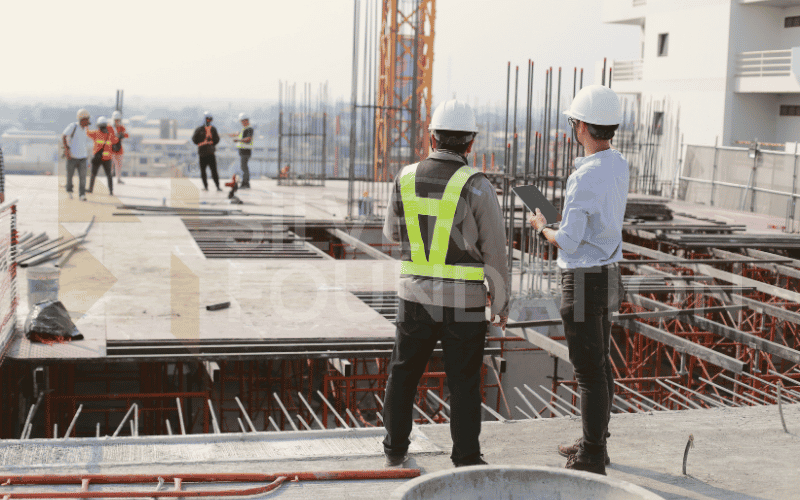
Design & Build helps to streamline project delivery with the architectural planning and the actual construction being under one contract. Communication is smooth since there is only one entity in charge of the whole lifecycle. Such a single system reduces friction between designers and constructors, accelerates project schedules, decreases unforeseen cost increases, and enables real-time resolution of issues without having to wait on external approvals.
Traditional Construction
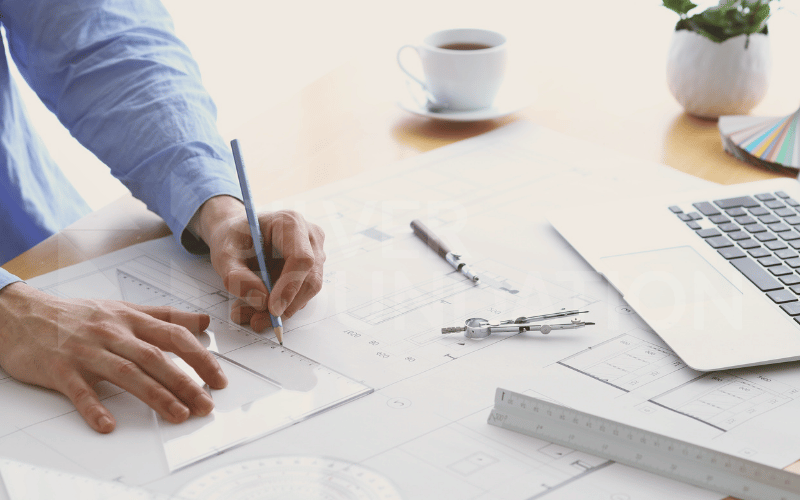
Design-Bid-Build, also referred to as Traditional Construction, divides the processes of planning and execution into two phases. The client initially contracts an independent architect to do detailed designs and then tender the project to contractors. Although this multi-step process provides the property owner with complete control of the initial design stage, it may cause an extended total schedule and possible tension between designers and builders.
Key Benefits of Design & Build Construction
Single-Point Accountability
The design and execution are on separate teams, making the responsibility distinct. You remove conflicts among architects and contractors, and the coordination is smoother, with faster decisions and accountability during construction.
Faster Project Delivery
Design and construction stages do not run in a sequence, but overlap. Orders can be made, and preparation on site can be underway as refinements are made on final blueprints, and this greatly reduces overall delivery time.
Economy and Foreseeability
Initial coordination between designers and builders gives accurate initial estimates of costs. This integrated solution helps save design revisions that would be costly, reduces change orders that are expensive, and helps to keep your project within budget.
Streamlined Communication
It is easy to deal with a project where there is only a central contact. Open lines of communication save on administrative expenses, conflicts of advice, and bring everybody to a common vision without any hassle.
Significant Advantages of Traditional Construction
Complete Design Control
Architectural planning is complete, and clients engage contractors afterward. This freedom allows you to refine all the details without being rushed by construction schedules and ensures that your aesthetic vision is taken care of.
Transparent Competitive Bidding
Fully developed blueprints are handed over to various builders who will bid. Such an open process enables property owners to compare market rates, get competitive rates, and select the best contractor to fit their budget.
Intrinsic Checks and Balances
The independent architect will become your representative in construction. They keep track of the performance of the contractors, make sure that the materials are of the appropriate specifications, and the quality of the whole physical Build is maintained at a high level.
Clear Phase Separation
Clear lines between design, bidding, and construction provide organized clarity. Every phase will have to be clearly approved to continue and provide stakeholders with predictable milestones and control over every significant milestone.
Design & Build vs Traditional Construction: Challenges
Although both techniques are popular, they each have their own trade-offs. Design & Build offers less client control over specifics of the design, since construction constraints such as speed and budget usually dictate decisions. Also, not going through the open bidding process complicates the process of checking competitive contractor pricing.
Traditional construction, on the other hand, is often guilty of lengthier scheduling courtesy of the sequential stages. Delays and major change orders are typical in case of design flaws that arise during construction. Moreover, running independent contracts usually brings about tension between architects and contractors in case of disagreement over responsibility on a site.
Design & Build vs Traditional Construction: Comparison Table
Aspect | Design & Build | Traditional Construction |
Contract | One company handles design and construction | Separate designer and contractor |
Communication | Direct and streamlined | More parties involved |
Cost | Better cost control and fewer unexpected expenses | Higher risk of cost increases |
Time | Faster due to overlapping design and construction | Usually takes longer |
Responsibility | Single point of responsibility | Responsibility is divided |
Flexibility | Changes can be easier to coordinate | Changes may cause delays and extra costs |
Quality Control | Integrated team can coordinate quality | Quality depends on coordination between parties |
Risk | Lower client coordination risk | Greater coordination and dispute risk |
Best For | Projects needing speed and efficiency | Projects requiring separate specialist teams |
Industries That Require Design & Build vs Traditional Construction
Choosing the right procurement route depends heavily on industry requirements. Design & Build is favored by high-growth industries such as commercial real estate, industrial warehousing, retail, and tech data centers. Fast delivery, strict budget control, and streamlined, quick execution are necessary in these industries.
By contrast, government infrastructure, municipal buildings, historical renovation, and complex institutions, which are part of the public sector, are more aligned with Traditional Construction. These industries require high standards of adherence, autonomous monitoring, public bidding, and highly specialized plans that are to be finalized prior to the commencement of the construction process.
Design & Build vs Traditional Construction: Which is Best?
The correct decision is relative to the priorities of your project. Design & Build is the most suitable when speed, smooth communication, and certainty of the budget are your highest priorities. This is because one team is able to deliver the project efficiently in a single contract.
Traditional construction is the best when you prefer to have complete control over architectural aspects. Here, independent control is very important to you, and when you want to have competition in the construction market before ground is broken. Balancing your schedule, risk tolerance, and preference in management will help you select the appropriate framework to succeed.
Conclusion
Whether you are planning a commercial facility, residential development, corporate space, educational project, or specialized environment, choosing the right construction approach can shape your project’s success. Partner with Silver Foundation today and explore a practical, coordinated solution built around your goals, timeline, and budget.
Frequently Asked Questions
Does Design & Build reduce communication problems?
It can simplify communication because the client generally works through one primary provider responsible for coordinating design and construction.
Which approach is better for complex MEP projects?
Design & Build can benefit complex MEP projects because engineering, architectural, procurement, and construction teams coordinate earlier.
How should I choose a Design & Build contractor?
Evaluate engineering expertise, relevant experience, project portfolio, safety practices, quality systems, communication, and ability to manage integrated construction services.
Is Design & Build suitable for commercial projects?
Yes. It can suit commercial projects requiring coordinated design, construction, MEP, fit-out, scheduling, and efficient project management.