
Reliable electrical infrastructure is the backbone of modern commercial spaces, enterprise centers, and large-scale industrial facilities. Faulty, outdated, or poorly designed systems can cause costly downtime, safety hazards, equipment damage, and unnecessary energy consumption. Silver Foundation provides high-standard turnkey contracting and MEP solutions across Saudi Arabia, including Riyadh’s demanding commercial sector. This guide explores commercial electrical contracting, essential services, compliance, energy management, and selecting the right MEP partner.
Core Electrical Contracting Services for Commercial Projects
Commercial electrical contracting services include the required electrical services to ensure that business facilities are safe, reliable, and efficient. These services usually involve designing and installing electrical systems, wiring, distribution of power, installation of lights, connecting equipment, and installing electrical panels. Maintenance, testing, inspections, and repairs are also done by the contractors to minimize the possibility of electrical issues.
In larger business ventures, they can install backup power supply, low-consumption lighting, and specialty electrical supplies. Professional electrical contractors operate within the building codes and safety standards and coordinate with other construction teams. They use their experience to assist businesses in ensuring reliable electrical operation, reducing downtime and maintaining a safe working environment.
The Electrical Project Lifecycle: From Design to Commissioning
Electrical Design and Planning
Electrical planning is initiated at the start of the project. The engineers examine building requirements, work out the power requirements, and prepare electrical drawings. This step outlines wiring, light systems, power distribution, equipment connections and safety requirements and makes sure that the design satisfies the building codes and project requirements of the applicable building codes.
Materials Selection and Procurement
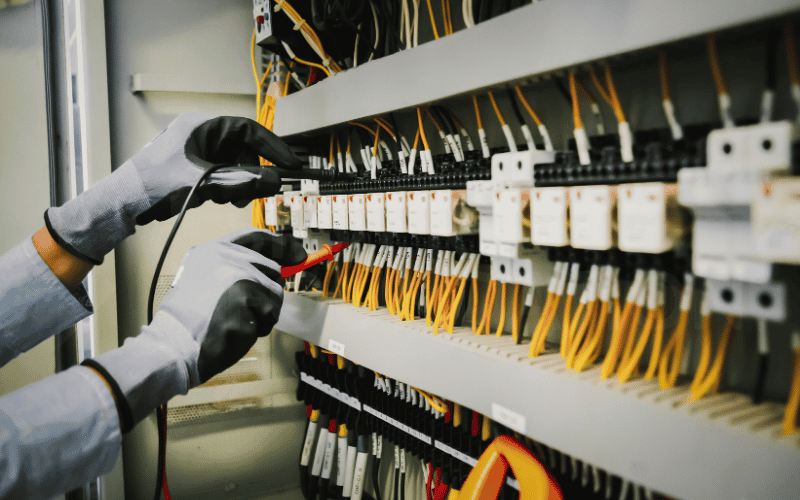
Upon approval of the design, contractors locate and buy the necessary electrical materials and equipment. This could consist of cables, panels, switches, lighting fixtures, transformers, and protective devices. The choice of appropriate and quality materials assists in guaranteeing reliability of the system, safety, efficiency, and sustainable performance throughout the entire facility.

Electrical Installation
Qualified electricians who adhere to approved project plans and drawings, install cables, electrical panels, lighting, outlets, equipment connections, and other systems during installation. Working closely with construction activities is conducted to ensure that there is no delay and that installations are well placed, well interconnected, and that they meet the required safety standards.
Testing and Inspection
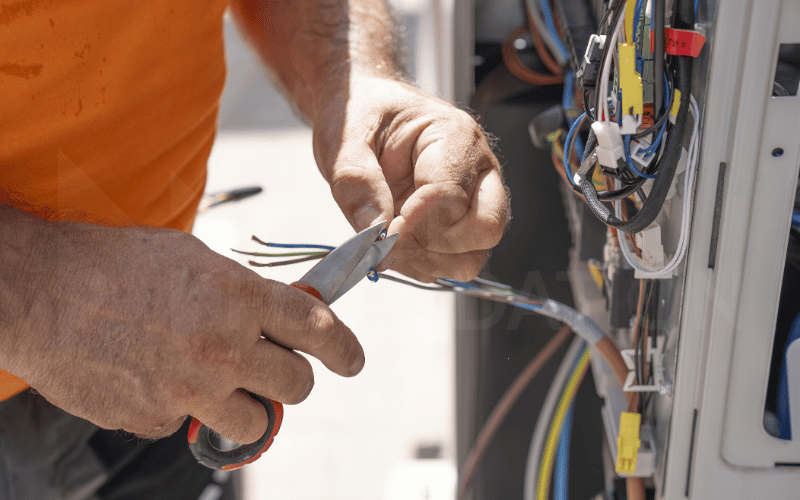
The electrical system is then thoroughly tested and inspected after installation. Contractors inspect connections, voltage, protective devices, grounding, lighting, and equipment operation. Testing will assist in the detection of defects or hazardous conditions prior to the system being brought into service, minimizing possible failure modes and making sure that the installation is operating as per the requirements of the project.

Commissioning and Handover
The last stage is commissioning, where the overall electrical system is tested under operating conditions. Contractors ensure that equipment and systems collaborate and work in a safe manner. Once successful testing has been done, documentation, operating information, and other pertinent certifications are delivered, the building owner can commence with normal operation without any doubts.

Which Industries Require Electrical Contracting Services?
Electrical contracting services are a significant sphere in most industries since power must be dependable in order to run the day-to-day activities. Electrical systems are required in commercial buildings, offices, retail stores, and shopping centers, to provide lighting, equipment, security, and communication.
The power distribution, machinery connections, automation systems, and safety equipment needed in manufacturing and industrial facilities are specialized. Medical equipment, emergency power, and critical operations of healthcare facilities rely on reliable electrical systems. Professional electrical installation and maintenance are also needed in hotels, restaurants, warehouses, data centers, schools, and transportation facilities.
Solar projects and other renewable energy facilities require professional contractors to interlink and operate electrical systems in a safe manner. Professional contractors assist these sectors to have efficient, compliant, and reliable electrical infrastructure.
Skilled Workforce and Labor Shortages
Contractors are faced with the challenge of finding qualified electricians. Experienced employees need technical skills, certifications, and experience. The workforce management of successful electrical contracting services is becoming more and more significant because labor shortages can raise costs, decrease productivity, and lead to delays in project completion.
Safety, Regulations, and Compliance
Electrical contractors are obliged to adhere to stringent safety standards, electrical codes, and building regulations. Compliance needs to be ensured with the help of regular training, inspections, protective equipment, and appropriate documentation. The inability to comply with safety standards may lead to accidents, fines, delays, and severe reputational losses.
Rising Costs and Project Management
Rising costs of electric materials, equipment, transportation, and labor are budgeting problems. Contractors need to be resourceful and still deliver quality and on time. Late deliveries, unforeseen costs and lack of coordination may decrease profitability and impact overall project delivery.
Conclusion
Partner with Silver Foundation for world-class electrical contracting and MEP solutions tailored to your commercial infrastructure. From robust power distribution to smart building automation, our expert team ensures ultimate safety, energy efficiency, and operational excellence. Contact Silver Foundation today to request a quote and elevate your project standards!
Frequently Asked Questions
Can Silver Foundation handle turnkey commercial electrical installations?
Yes, Silver Foundation provides complete turnkey solutions from initial 3D MEP design to installation, testing, and maintenance.
What is included in commercial low-voltage (LV) systems?
LV systems cover data networks, CCTV security, fire alarms, audio-visual setups, access control, and smart building controls.
How do smart lighting controls benefit commercial properties?
They significantly reduce power consumption through automated scheduling, occupancy sensing, and daylight harvesting integration.
What industries require specialized commercial electrical services?
Corporate offices, retail centers, industrial plants, educational institutions, hospitality venues, and large-scale exhibition spaces.


