Preventive maintenance is a proactive approach to keeping commercial buildings safe, reliable, and efficient before problems become costly failures. Unlike reactive maintenance, which responds after breakdowns occur, preventive programs use scheduled inspections, cleaning, servicing, and documentation. In Saudi Arabia, HVAC, electrical, plumbing, fire protection, and structural systems face extreme heat, dust, sand, high cooling demand, coastal humidity, and heavy use. Silver Foundation supports structured maintenance programs that reduce disruptions, improve safety, extend asset life, and lower long-term costs.
Benefits of Preventive Maintenance for Commercial Buildings
Reduces Unexpected Repair Costs
Preventative maintenance can help you become aware of minor issues before they turn into costly repairs. Frequent inspections enable building owners or facility managers to identify and address worn parts, leaks, electrical or facility problems early. This will save costs of emergency repairs, and will also help to keep the building’s maintenance budget under control.
Improves Building Safety
Scheduled maintenance prevents the safe and proper operation of important building systems. Reviewing electrical connections, fire protection systems, elevators, HVAC systems and other facilities can help minimize potential hazards. A well-maintained commercial building ensures that the employees, customers and visitors are able to work in a safer and more comfortable environment.
Extends Equipment Lifespan
Regular care of commercial equipment can lead to a longer life. Avoid unnecessary stress on machines through cleaning, lubrication, inspections and timely replacement of worn parts. Preventive maintenance is important for HVAC units, electrical systems, pumps, elevators and other critical systems to keep them running effectively and avoid expensive replacements.
Improves Energy Efficiency
Properly maintained systems will run more efficiently and not waste energy. It’s possible to improve performance by cleaning the filters, inspecting HVAC equipment, repairing leaks, and checking electrical systems. Reducing energy loss can help save money on monthly utility bills and improve the working environment of the building’s occupants.
Key Systems That Require Preventive Maintenance
HVAC Systems
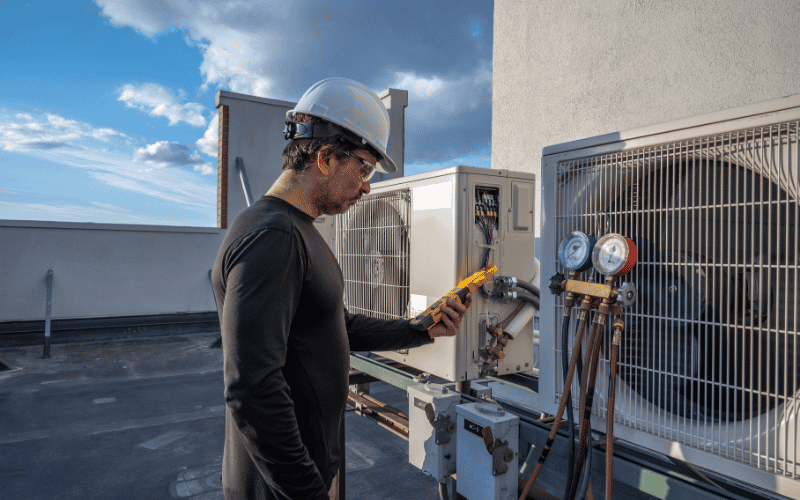
It is necessary to have HVAC systems inspected regularly to ensure that they can keep indoor environments both comfortable and healthy. Tasks that may comprise maintenance include replacing filters, cleaning coils, verifying refrigerant levels, examining ducts, as well as testing controls. The right HVAC care also helps avoid unanticipated failures and wasted energy.
Electrical Systems
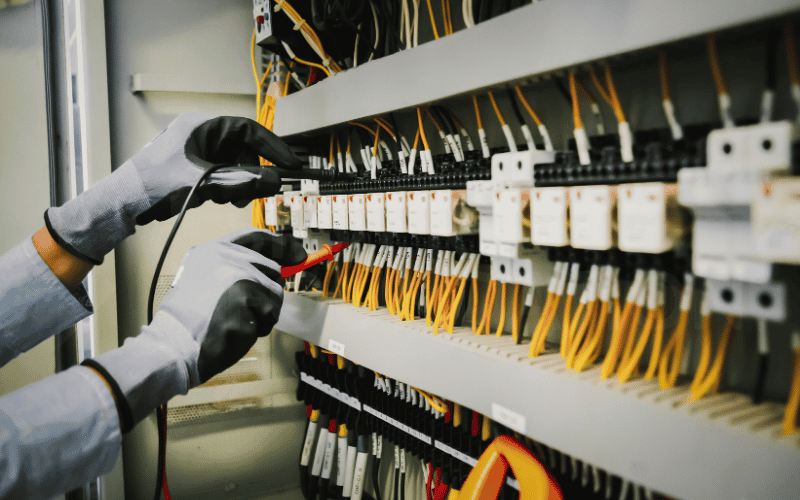
Regularly checking electrical systems is important as faults can cause safety hazards and affect business activities. This maintenance can involve inspecting circuits, circuit breakers, outlets, lighting and electrical panels. Prompt identification of damaged or overloaded equipment can help to avoid equipment failures, power outages and possible fire hazards.
Plumbing and Water Systems
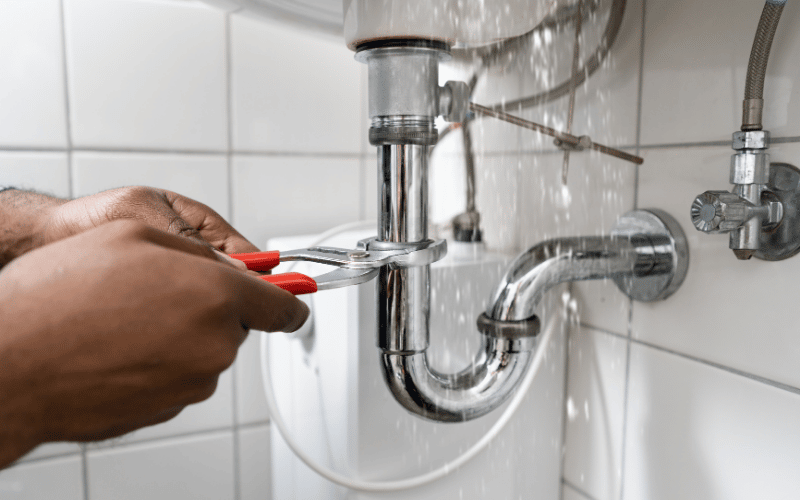
There is a need for periodic evaluation of plumbing systems for leaks, backups, pipe damage and water pressure issues. If left unchecked, these little leaks can lead to major damage on the structural level. Regular inspections of water heaters, pumps, valves, toilets and drainage systems ensure proper water service and avoid unnecessary plumbing emergencies.
Fire and Safety Systems
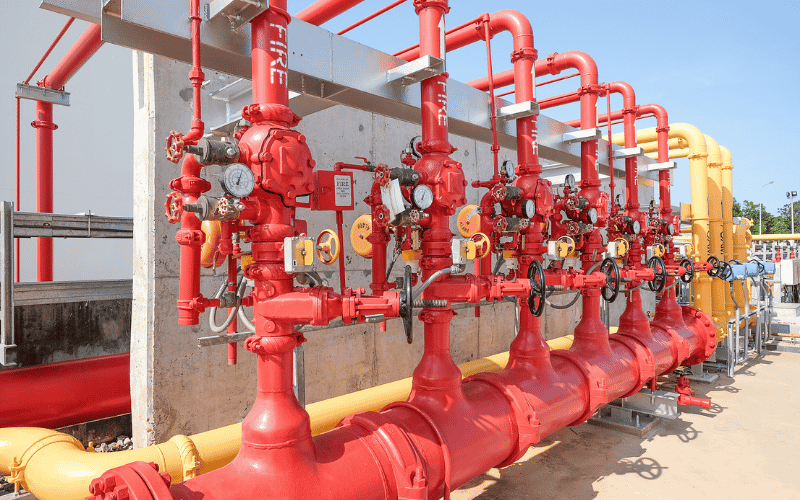
Safety systems, such as fire alarms, sprinklers, emergency lighting, extinguishers and others must be maintained and kept in working order at all times. These systems are tested regularly and inspected to ensure they function properly in the event of an emergency. Maintenance records also assist the building manager in keeping track of inspections and in tackling issues quickly.
Preventive Maintenance Checklist for Commercial Buildings
Inspect HVAC Equipment
Regularly inspect HVAC equipment for excessive noise, airflow issues, clogged filters, blocked vents, and temperature issues. Replace or clean filters as necessary and check for wear on major components. Planned systems maintenance at appropriate times can help ensure good system performance and minimize unplanned system failures.
Check Electrical Components
Look for any damage or odd characteristics to electrical panels, wiring, switches, outlets, lighting fixtures and circuit breakers. Have faulty parts replaced by qualified people and keep electrical areas clean. It is possible to detect potential issues before they can affect equipment, cause operating interruptions or become serious safety concerns through regular checks.
Examine Plumbing and Building Exterior
Check pipes, faucets, toilets, drains, water heaters, roofs, walls, windows and outside surfaces for leaks or damage. Check for leaks, cracks, corrosion and clogged drainage. By dealing with these problems early, you can avoid mold growth, structural damage and more costly repairs, and prevent water damage.
Test Safety and Emergency Equipment
Test fire alarms, smoke detectors, sprinkler systems, emergency lights, exit signs, security equipment and emergency power systems regularly. Keep access ways and escape routes clear. Accurately document repair issues and inspections as they arise, so occupants can rely on safety equipment if there’s a fire.
Common Preventive Maintenance Mistakes to Avoid
A common mistake is to wait until the equipment breaks before scheduling maintenance. This can result in costly emergency fixes and business downtime. The other error is not sticking to a regular maintenance plan, which may result in missing out significant maintenance checkpoints.
It’s also important for building managers to not only look at big equipment but smaller problems like leaking pipes, broken lights, clogged drains, etc. The employment of persons with no electrical, HVAC, or safety-system training may pose extra hazards. There is also poor record-keeping, as managers can sometimes forget to keep track of when inspections, repairs and replacements are done.
Last but not least, improper parts or omitting manufacturer’s suggestions can decrease equipment performance. Commercial buildings can be safe, efficient and reliable with one basic maintenance program, good records, routine inspections, and trained professionals.
Conclusion
Preventive maintenance is an investment that protects equipment, occupants, and daily operations. Regular inspections, documented schedules, and timely servicing help prevent costly issues. Silver Foundation can support Saudi commercial properties with reliable specialist maintenance when needed.
Frequently Asked Questions
Why is preventive maintenance important for buildings?
It reduces unexpected breakdowns, improves safety, extends equipment lifespan and supports efficiency. It also helps businesses avoid costly operational disruptions and emergency repairs.
What systems require preventive maintenance?
HVAC, electrical, plumbing, fire protection, structural, lighting, elevators, pumps, ventilation, and other critical building systems require regular preventive maintenance.
How often should commercial buildings receive maintenance?
Maintenance frequency depends on equipment, usage and manufacturer recommendations. It also depends on building conditions, risks, and applicable requirements.
How does preventive maintenance reduce costs?
Preventive maintenance identifies problems early, reduces emergency repairs, extends equipment life, improves efficiency, and minimizes costly downtime for commercial businesses.