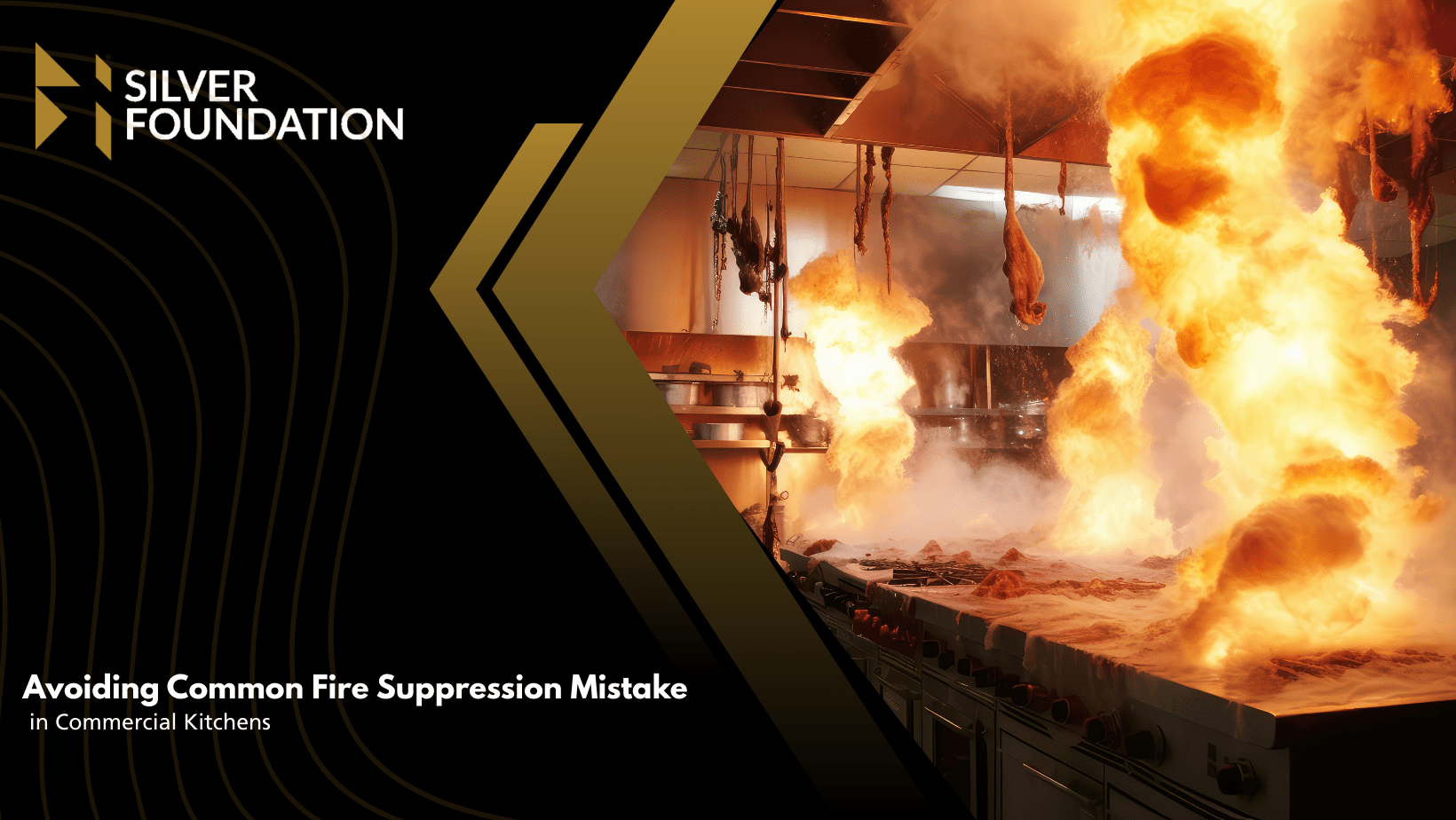
Commercial kitchens are high-risk spaces for fire. Open flames, hot cooking oils, and busy work areas can quickly turn a small mistake into serious damage. The National Fire Protection Association reports thousands of restaurant fires each year, many caused by poor maintenance or lack of training. Avoid common mistakes such as blocked extinguishers, overdue inspections, and untrained staff. Regular system checks and clear safety plans, supported by experts like Silver Foundation, help protect people, property, and daily operations. This guide explains different smart ways to avoid common fire suppression mistakes in commercial kitchens.
Fire suppression systems play a key role in protecting the lives, property and critical infrastructures against the destructive power of fire. They identify, manage, and suppress fire within a short period of time, usually before it spreads and inflicts serious damage. These systems enhance evacuation safety since they can reduce heat, smoke, and toxic gases and contribute to emergency response. They eliminate expensive downtimes and protect valuable equipment and information in industries.
Meanwhile, they also give people peace of mind in their houses and in community buildings, and they improve adherence to safety standards. Besides saving money in the long run by investing in trusted fire suppression solutions, the resilience and preparedness to respond to unforeseen disasters in the world today are enhanced.
Improper Hood Cleaning
Grease buildup inside exhaust hoods and ducts is a leading cause of kitchen fires. Many operators delay professional cleaning, allowing flammable residue to accumulate. Regular inspections, scheduled deep cleaning, and documented maintenance reduce fire risk, ensure compliance, and allow suppression systems to function effectively during emergencies to protect staff and property.
Blocked Nozzles
Grease, covers, or equipment relocation often block fire suppression nozzles. This prevents proper chemical discharge when fires occur. Routine visual checks, staff awareness, and monthly testing help maintain clear pathways. Training employees to report obstructions immediately ensures fast activation and maximum coverage across cooking appliances during critical incidents.
Incorrect System Design
Installing suppression systems without considering kitchen layout, fuel types, and appliance changes leads to ineffective protection. Upgrades or new equipment require system reassessment. Consulting certified professionals, conducting hazard analysis, and updating coverage zones ensure every risk source is protected and meets evolving safety codes and insurance requirements and reduces liability.
Lack of Staff Training
Many kitchen fires worsen because employees do not understand the suppression system operation or manual pull stations. Regular training, emergency drills, and clear instructions improve response speed. Workers should know evacuation procedures, shutdown steps, and how to activate backup extinguishers when automatic systems fail or fires spread beyond initial zones rapidly.
Ignoring Maintenance
Failure to perform periodic inspection, recharge chemicals, and replace worn components reduces system reliability. Maintenance records are often missing or outdated. Scheduling professional servicing, keeping documentation, and following manufacturer guidelines ensures readiness, extends equipment lifespan, and satisfies regulatory authorities during audits or incident investigations and prevents unexpected system failures daily.
Incompatible Extinguishing Agents
Using the wrong suppression agents for grease or electrical fires can worsen hazards. Commercial kitchens require wet chemical systems for cooking oils. Reviewing fire risks, selecting approved agents, and ensuring compatibility with appliances and ventilation systems improve effectiveness and prevent dangerous flare-ups or re-ignition after initial suppression discharge events.
Delayed Activation
Delays in activating suppression systems allow fires to spread rapidly. Automatic detection should be regularly tested, and manual stations must remain accessible. Encouraging immediate response, clear communication, and proper alarm integration ensures quicker control, reduces damage, and protects occupants, assets, and business continuity while supporting insurance claims and regulatory compliance.
Best Practices to Avoid Fire Suppression Mistakes
Carry out Careful Risk Evaluations
Conduct a risk assessment of the facility before taking any fire suppression strategy. Detects the possible ignition sources, inflammable substances, and dangerous areas. Check electric systems, storage plans and ventilation. The precise evaluation guarantees the selection of the suppression system that is suitable for the hazards at hand and reduces the avoidable fire accidents.
Select the Best Suppression System
The choice of the appropriate fire suppression system is important. The water sprinklers, foam systems, gas-based systems and dry chemical solutions have their own applications. As an illustration, clean agents are usually used in sensitive environments such as data centers as opposed to water. When the equipment is not matched with the environment, it would result in equipment being damaged and failure to control the fire.
Follow Installation and Compliance
Even the most effective system can be useless when it is installed improperly. During installation, always adhere to the directions of the manufacturer and the fire codes in the area. Contract with licensed specialists and arrange control by the authorities in case of necessity. Standards like those of the National Fire Protection Association are a guarantee of reliability and legal compliance.
Test and Maintain Systems Periodically
Systems must be maintained regularly. Arrange frequent check-ups, testing, and service to identify leakages, corrosion or damaged parts. Eliminate old components and record all maintenance work. Frequent drills are also used to reinforce operational readiness and make sure that the personnel know how systems can be activated in the event of an emergency.
Train Personnel and Spread Fire Safety
Even sophisticated systems need the learned staff. Conduct continuous training on emergency procedures, alarm response and evacuation procedures. Train employees on how to store and use flammable materials and safe equipment. A fire safety awareness culture will minimize human error and enhance the general preparedness to fire-related risks.
Creating a Culture of Fire Safety in Commercial Kitchens
To establish a fire safety culture within commercial kitchens, training is to be provided on a regular basis, procedures are to be clear, and leadership is to be committed. Some of the typical fire hazards that the kitchen staff should be aware of include grease accumulation, open fires, and overheated machinery. Hoods, ducts and filters are regularly cleaned to lower the chances of ignition.
To promote compliance and reliability, installation and maintenance of suppression systems should be done in line with the guidelines of the National Fire Protection Association. Regular fire drills ensure the availability of extinguishers and their check-up. Promote timely reporting of hazards and positive safety actions by staff. Once safety is integrated into everyday life, the fire hazards are reduced to a minimum and continuity of the operations is enhanced.
Conclusion
In conclusion, preventing fire risks in commercial kitchens depends on smart planning, regular system checks, and ongoing staff awareness. Following guidelines from the National Fire Protection Association helps businesses stay compliant and safe. By working with trusted partners like Silver Foundation, restaurant owners can protect people, property, and business continuity while building a strong culture of safety every day.
Frequently Asked Questions
How often should systems be inspected?
At least every six months, by a professional to ensure proper performance and meet National Fire Protection Association standards.
What system is best for commercial kitchens?
Wet chemical fire suppression systems work best because they quickly control grease fires and help prevent re-ignition.
Can staff activate the system manually?
Yes. Most systems have a manual pull station so staff can trigger it in an emergency.
Why is grease buildup dangerous?
Grease is highly flammable and can spread fire fast through hoods, ducts, and ventilation areas.